

Sports Physical Therapy Portland, OR
Staying active in Portland, OR requires a body that moves well, recovers efficiently, and adapts to physical demands over time. At Overlook Chiropractic, our sports-focused physical therapy services are designed to help active individuals recover from injuries, improve movement quality, and reduce the risk of future setbacks. Rather than focusing solely on pain, our approach emphasizes long-term function, durability, and confidence in movement.
Care is led by Dr. Michael D. Raeburn, DC, CCSP — a Certified Chiropractic Sports Physician with advanced postgraduate training in sports injury evaluation and rehabilitation, including hands-on emergency response training most general chiropractors don’t carry. That sports-specific background changes what a session actually looks like: instead of treating a single sore spot in isolation, care starts with a movement evaluation — how you squat, rotate, reach, and load — to find the actual source of a problem, which is often a joint or muscle group away from where the pain shows up. The goal is a plan built around getting you back to full activity with confidence, not just short-term symptom relief. Read Dr. Raeburn’s full bio →
Get a Free Consultation
Fill out the form below and we’ll help you get started on your journey to living well.

Whether you are training regularly, returning from an injury, or looking to stay ahead of physical wear and tear, our clinic provides individualized care that supports both recovery and prevention. We work with a wide range of active patients, from recreational athletes to individuals with physically demanding jobs, helping them stay consistent and capable in their daily routines.
Overlook Chiropractic
2064 N Killingsworth St, Portland, OR 97217
(503) 719-7742
Monday & Wednesday: 9:00 AM–6:00 PM | Tuesday, Thursday & Friday: 9:00 AM–3:00 PM
Key Takeaways
- Sports-focused physical therapy in Portland, OR supports recovery, performance, and injury prevention
- Care addresses both rehabilitation and proactive prehabilitation
- Early identification of movement limitations can reduce long-term injury risk
- Treatment plans are tailored to each patient’s activity level and goals
- Ongoing care helps improve mobility, strength, and movement efficiency
Understanding Sports-Focused Physical Therapy
Sports-oriented physical therapy is centered on how the body moves during activity. Instead of isolating symptoms, this approach evaluates joint mechanics, muscle coordination, balance, and control during real-world movement.
Patients seeking sports physical therapy in Portland often arrive with issues caused by repetitive strain, improper mechanics, or unresolved limitations following past injuries. These issues may not always be painful at first, but they can quietly reduce performance and increase the likelihood of breakdown over time.
By analyzing how the body functions as a whole, therapy can address the root causes of dysfunction rather than simply reacting to pain once it appears.
Rehabilitation After Sports and Activity-Related Injuries
Injuries are a common entry point for physical therapy, but effective rehabilitation goes beyond symptom resolution. The goal is to restore full function so patients can return to activity without compensation or hesitation.
Common concerns addressed in care include:
Muscle strains and ligament sprains
Tendon irritation and overuse injuries
Shoulder, hip, knee, and ankle conditions
Spine-related movement restrictions
Post-surgical recovery related to activity
Recovering from a workplace injury instead of a sports injury? Visit our Workers’ Compensation Chiropractic Care page. Dealing with an auto accident? See our Auto Injury Chiropractic Care page for more on treatment timing and what to expect.
Through guided exercises, hands-on therapy, and progressive loading, rehabilitation focuses on rebuilding strength, control, and tissue tolerance while correcting contributing movement faults.
The Importance of Prehabilitation
Prehabilitation, often referred to as prehab, plays a major role in long-term physical health. This proactive approach identifies weaknesses or restrictions before they develop into injuries.
Patients searching for the best sports physical therapy in Portland, OR are often surprised to learn how subtle imbalances can affect performance and durability. Limited joint mobility, poor stability, or asymmetrical movement patterns can quietly increase stress on tissues over time.
Addressing these factors early helps reduce injury risk, improve efficiency, and support long-term participation in physical activity.
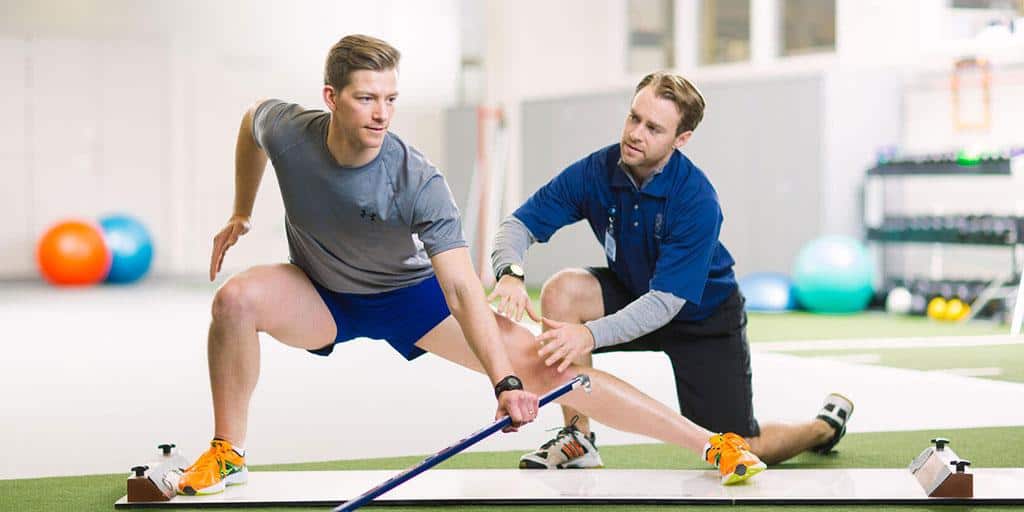
Correcting Movement Imbalances
The body is designed to move with balance and coordination. When one area underperforms, other regions often compensate. Over time, these compensations can lead to overuse injuries or chronic discomfort.
At Overlook Chiropractic, movement assessments are used to identify these patterns. Care then focuses on restoring balance through targeted strengthening, mobility work, and neuromuscular retraining. This approach supports smoother movement and improved overall function.
Supporting Active Lifestyles in Portland, OR
Life in Portland, OR encourages year-round activity. From running and cycling to hiking, gym training, and recreational sports, the body is regularly challenged in different ways.
Working with a provider experienced in sports physical therapy in Portland, OR can help individuals adapt to these demands more effectively. Consistent care supports recovery between activities and helps prevent small issues from becoming limiting injuries.
Benefits often include:
| Improved joint mobility and flexibility | Better movement efficiency |
| Faster recovery between training sessions | Reduced likelihood of overuse injuries |
| Greater confidence during activity |
What to Expect During Care
The initial visit includes a detailed evaluation of movement patterns, injury history, activity demands, and goals. This information guides the development of a personalized plan designed to support recovery and performance.
Care may include:
Manual therapy and soft tissue techniques
Progressive strengthening exercises
Mobility and stability training
Movement retraining
Education on recovery strategies and injury prevention
Plans are adjusted as progress is made, ensuring care remains aligned with the patient’s needs.
Moving Beyond Pain Management
While reducing discomfort is important, lasting results depend on restoring confidence and control in movement. Physical therapy that focuses on movement quality helps ensure the body is prepared for real-world demands, not just symptom relief.
This approach supports long-term resilience and allows patients to remain active with fewer setbacks over time.
Frequently Asked Questions
Who benefits from sports-focused physical therapy?
Anyone who is physically active can benefit, including recreational athletes, fitness enthusiasts, and individuals with physically demanding jobs.
Do I need an injury to begin care?
No. Many patients start care to address movement limitations or reduce injury risk before problems develop.
How long does therapy typically last?
The length of care varies based on goals, condition severity, and consistency. Some patients benefit from short-term programs, while others choose ongoing support.
Can this type of care improve performance?
Yes. Improving strength, mobility, coordination, and efficiency often leads to better performance and endurance.
Is this only for competitive athletes?
No. Sports-oriented physical therapy is appropriate for anyone who wants to move better, stay active, and protect their physical health.